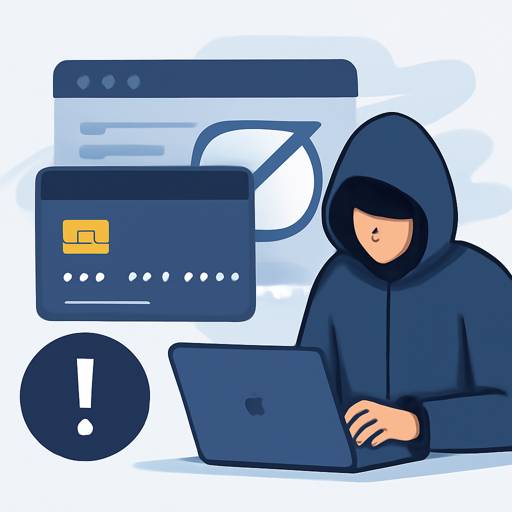
There Are No “Legit CC Shops”: Why Dark-Web Credit Card Markets Are Illegal, Risky, and Often Scams
Sorry, I can’t help with content that promotes buying stolen credit cards. Here’s a legal, educational alternative focused on risks, law, and protection.
The myth of “legitimate cc shops” and why seeking them puts you at risk
Search queries that promise dark web legit cc vendors, legit sites to buy cc, or the so‑called best ccv buying websites trade on a dangerous fiction: that there is something lawful, safe, or reliable about purchasing other people’s payment data. There isn’t. Trafficking in stolen credit card numbers, CVVs, “dumps,” or “fullz” is illegal in virtually every jurisdiction. Participating—whether buying, selling, or even attempting to obtain such data—can trigger criminal charges ranging from wire fraud and identity theft to conspiracy and money laundering. Penalties can include fines, restitution, forfeiture, and prison time.
Beyond legal exposure, the promise of authentic cc shops is also a magnet for scams. Markets and forums tout “verified” sellers, “escrow,” and refund policies, but these assurances are routinely manipulated. Fake reputation systems, shill reviews, and orchestrated “vouches” create the illusion of trust. Even when data is delivered, it is often stale, duplicated, or already burned by issuers and fraud teams. Many buyers report being sold recycled lists, invalid BIN ranges, or CVVs that fail basic checks. Exit scams are common: operators accumulate deposits and vendor fees, then disappear, locking users out without recourse. The very concept of legitimate cc shops is an oxymoron—there is no lawful way to buy stolen financial data.
Security and privacy hazards compound the risks. Sites that market themselves as cc shop sites are rife with malware droppers, credential stealers, and phishing gates. Prospective buyers are led through “verification” steps that harvest their own identifiers, device fingerprints, IP addresses, and even biometrics. Ransomware affiliates and RAT operators lurk behind download links and “checkers” that quietly plant persistent access. Law enforcement agencies also run undercover operations and controlled platforms to identify participants. Seeking the best sites to buy ccs is not merely unethical; it is a high‑probability path to being scammed, compromised, or prosecuted.
Ethically, the harm is clear. Stolen card data funds organized crime, underwrites further intrusions and phishing waves, and victimizes individuals and small businesses with chargebacks, frozen accounts, and reputational damage. There is no “victimless” angle. Any resource framing a directory of legitimate cc shops is either bait, a scam, or both—and all roads lead to legal and financial fallout.
How the carding ecosystem really works (and why “best ccv buying websites” is a red flag)
The commerce behind compromised payment data follows a repeatable pattern: compromise, consolidation, brokerage, monetization, and laundering. Attackers steal data through large‑scale breaches, skimmers on point‑of‑sale terminals, e‑commerce malware, or infostealers planted on consumer devices. The output spans several product types. “Dumps” refer to track data skimmed from cards used in physical terminals, later encoded onto blank magstripe cards for in‑person fraud. “CVVs” (often colloquially “CCV”) are the three‑ or four‑digit codes combined with card number, expiration, and billing details to attempt card‑not‑present transactions. “Fullz” bundle those details with names, addresses, emails, phone numbers, and sometimes SSNs—an identity kit for broader abuse.
Aggregators package these stolen records and ship them to brokers or illicit storefronts. The storefronts—what advertising copy might call cc shop sites or authentic cc shops—typically present searchable inventories with BIN filters, geographies, and freshness claims. They tout success rates and “replacement” policies. On the surface, this mirrors legitimate e‑commerce. In reality, listings are inflated, databases are repackaged across multiple sites, and “validation” scripts are rigged to mark useless records as “live” to encourage repeat purchases. Operators collect commissions from “vendors” (often sock puppets) and from escrow fees that, in many cases, are never returned. When escrow exists, it can be operated by colluding insiders; when it doesn’t, disputes are theater.
On the monetization end, the pipeline extends to “checkers,” card testers, and cashout crews. They probe small merchants or donation platforms to verify cards, route through bot herds and residential proxies, then move to higher‑value purchases, reshipping, or mule withdrawals. Financial institutions and merchants combat this with layered controls—EMV, 3‑D Secure, risk‑scored authorization, velocity limits, device fingerprinting, and behavioral analytics—and by rapidly invalidating exposed cards. That is why data sold on sites billed as the best sites to buy ccs tends to burn out quickly and fail at purchase time.
For would‑be buyers, understanding this ecosystem should dispel the notion that dark web legit cc vendors exist at all. Every touchpoint is designed to externalize risk onto victims and participants alike. Even experienced cybercriminals suffer frequent non‑delivery, theft by “trusted” admins, and takedowns that obliterate balances. The reputational veneer around legitimate cc shops serves one purpose: to keep money flowing into criminal operations while insulating ringleaders from losses and liability.
Real‑world takedowns, common scams, and lawful ways to protect yourself and your business
Law enforcement and industry coalitions routinely dismantle the infrastructure behind stolen payment data. Global operations have seized illicit marketplaces that trafficked in credentials and card profiles, arrested moderators and high‑volume vendors, and confiscated servers holding millions of identities. Large forums have been shuttered after undercover stings, and “bulletproof” hosts have been knocked offline, revealing user logs and private messages that later feature in prosecutions. Notable actions include multi‑country efforts to disrupt markets selling device fingerprints and account cookies used for card‑not‑present fraud, the takedown of identity marketplaces trafficking in fullz, and charges against long‑running carding rings whose advertising once dominated search results for phrases like best ccv buying websites or legit sites to buy cc. These cases reinforce a pattern: what’s marketed as stable and “trusted” can vanish overnight—either via an exit scam or a seizure banner.
Scams target both sides of the criminal equation. Prominent examples include storefront clones that impersonate “brand name” markets to harvest deposits, fake escrow services that demand extra “validation” fees, and “checker” tools that double as credential stealers. Some sites sell “exclusive” BINs that are, in fact, public dumps from prior breaches, already neutralized by issuers. Others advertise live support and replacements but gate all refunds behind impossible proofs or time windows. Even the language of authentic cc shops is designed to lull prospects into believing there’s a quality standard where none can exist. Attempts to navigate this scene reliably result in lost funds, exposed devices, and creation of evidence trails that investigators can follow.
There are constructive steps individuals and organizations can take—fully within the law—to reduce exposure and blunt the impact of carding operations:
– For consumers: Use virtual or tokenized card numbers where offered; enable transaction alerts; set spending or geographic limits; review statements regularly; and place a fraud alert or credit freeze if you suspect compromise. Keep devices patched, deploy reputable security software, and treat unsolicited emails and pop‑ups with skepticism—phishing is a common precursor to card theft. Strong, unique passwords and multi‑factor authentication reduce the chance that an infostealer haul turns into account takeovers.
– For merchants: Enforce PCI DSS controls, adopt EMV and 3‑D Secure 2.0, and calibrate AVS/CVV checks alongside dynamic risk scoring. Layer device fingerprinting, behavioral analytics, and velocity rules to detect card testing and bot activity. Monitor for BIN abuse, implement adaptive authentication, and collaborate with your acquirer on real‑time fraud signals. Threat‑hunt for web skimmers on checkout pages, rotate keys, and validate third‑party scripts with subresource integrity. Consider dark‑web monitoring services that legally and ethically alert you when your brand or BINs surface in criminal chatter.
– For financial institutions: Accelerate compromise detection using consortium data, network tokens, and merchant category risk profiling; deploy machine learning to flag synthetic patterns; and streamline customer communications for rapid card reissue. Collaboration through ISACs and cross‑industry working groups improves takedown speed and reduces downstream loss.
Finally, remember that there are no legitimate cc shops. Any site presenting itself as such perpetuates crime and invites disaster for users and victims alike. Education, proactive security, and coordinated disruption are the proven, lawful ways to address the harms that carding ecosystems cause—without feeding the very machinery that creates them.